Plants with a purpose

What smells keep roof rats away in Florida yards? Plants that actually belong here.

The short answer: roof rats avoid strong plant oils. The viral lists are right about that, but every herb they recommend is an import. Florida grew its own, and ours also feed the wildlife that hunts rats.

The usual list (not from Florida)

  • Rosemary Mediterranean
  • Mint Asia
  • Basil Asia
  • Thyme Mediterranean
  • Oregano Mediterranean
  • Sage Mediterranean
  • Lemongrass South Asia

The Florida originals

  • Florida pennyroyal sharp mint scent
  • Spotted beebalm thymol, like thyme
  • Wax myrtle spicy bayberry
  • Southern red cedar cedar-closet smell

Four Florida originals with the scents rats avoid
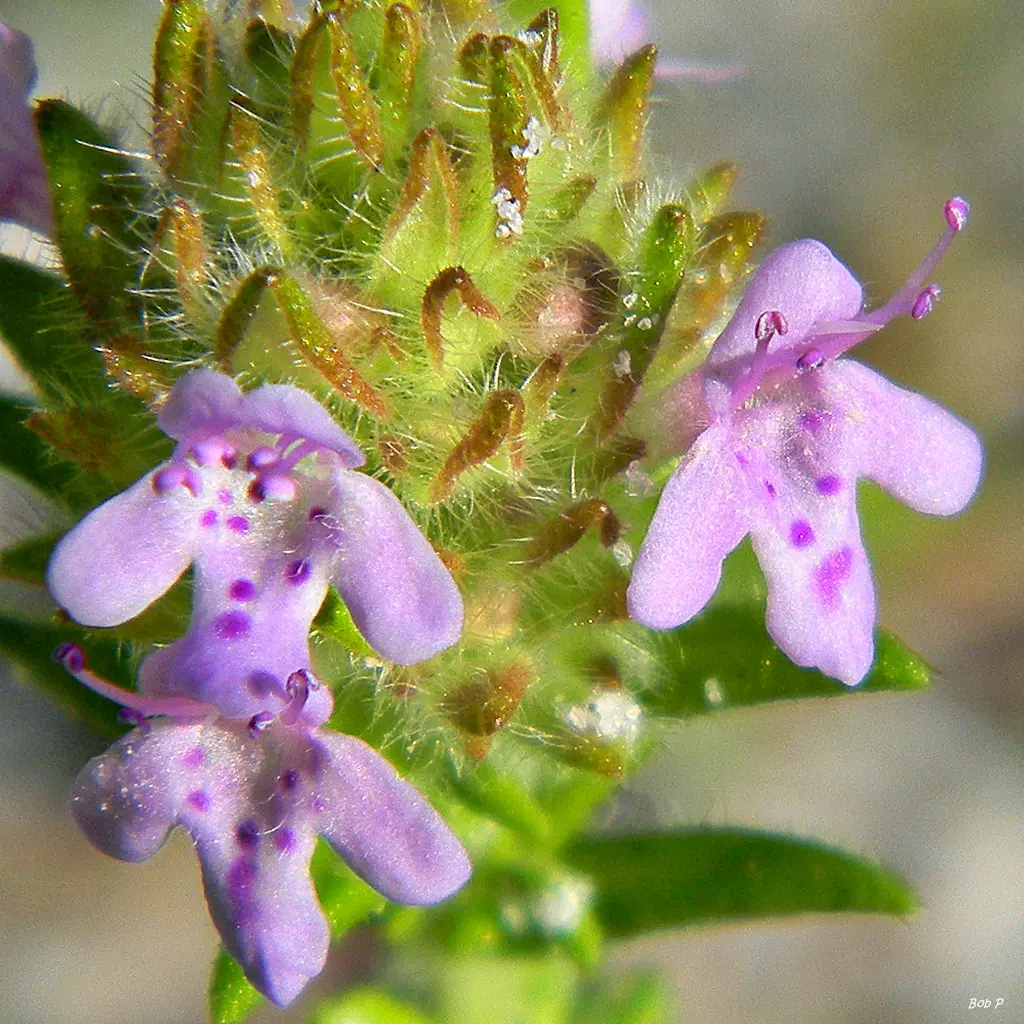
Florida pennyroyal shrub with needle-like evergreen foliage and lavender flower heads

Florida pennyroyal

Piloblephis rigida

This one is almost exclusively ours. Florida pennyroyal grows wild in peninsular Florida and barely anywhere else on Earth. It is a true mint with dense, needle-like evergreen foliage, and the scent it releases when brushed is the classic pennyroyal smell that rodents go out of their way to avoid.

It stays small, about a foot tall, and it is happy in a container. Set pots along patio edges, near the compost area, or anywhere activity seems high. Late-winter lavender blooms feed pollinators when little else is flowering.

ScentPennyroyal, sharp mint
ConditionsFull sun, dry sandy soil
Size8 to 14 inches, container friendly
Where it grows wildPeninsular Florida, including Tampa Bay

Photo: Wikimedia Commons, Bob Peterson, CC BY-SA 2.0.
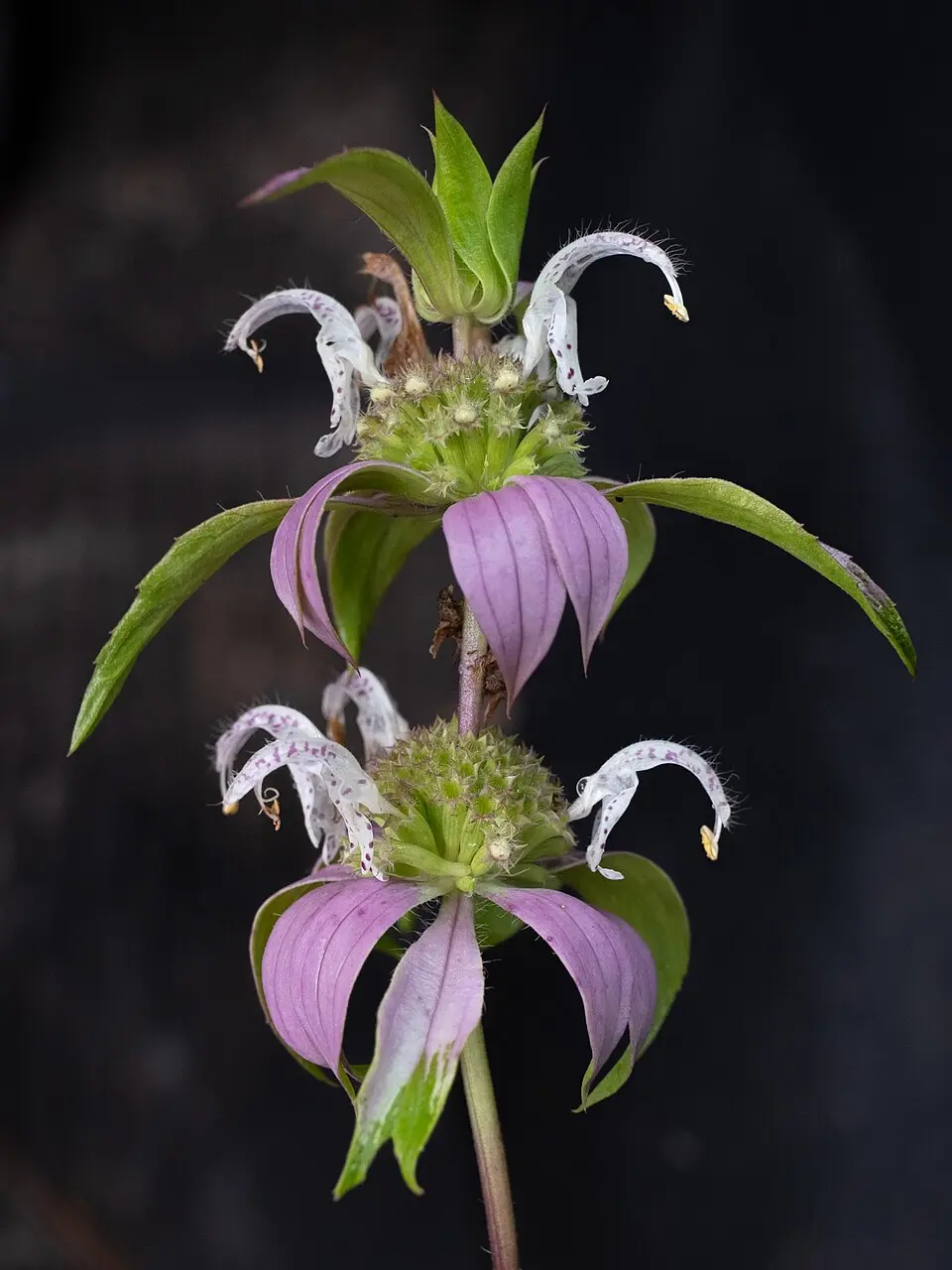
Spotted beebalm with whorls of pink and lavender bracts and speckled flowers

Spotted beebalm

Monarda punctata

Crush a leaf and it smells like fine Greek oregano. That is thymol, the same compound that makes thyme pungent, and spotted beebalm carries it in quantity. It is the closest thing Florida has to a homegrown thyme bed, and it thrives in the dry, sandy edges where so many local yards struggle.

From late summer into fall it stacks up whorls of pink and lavender bracts that pull in bumblebees, wasps, and butterflies by the dozen. It reseeds, so give it room or deadhead to keep it where you want it.

ScentThymol, oregano-like
ConditionsFull sun, dry sandy soil
Size2 to 3 feet, reseeding perennial
Where it grows wildStatewide, common in Pinellas sandhills

Photo: Wikimedia Commons, Alex Abair, CC BY 4.0.
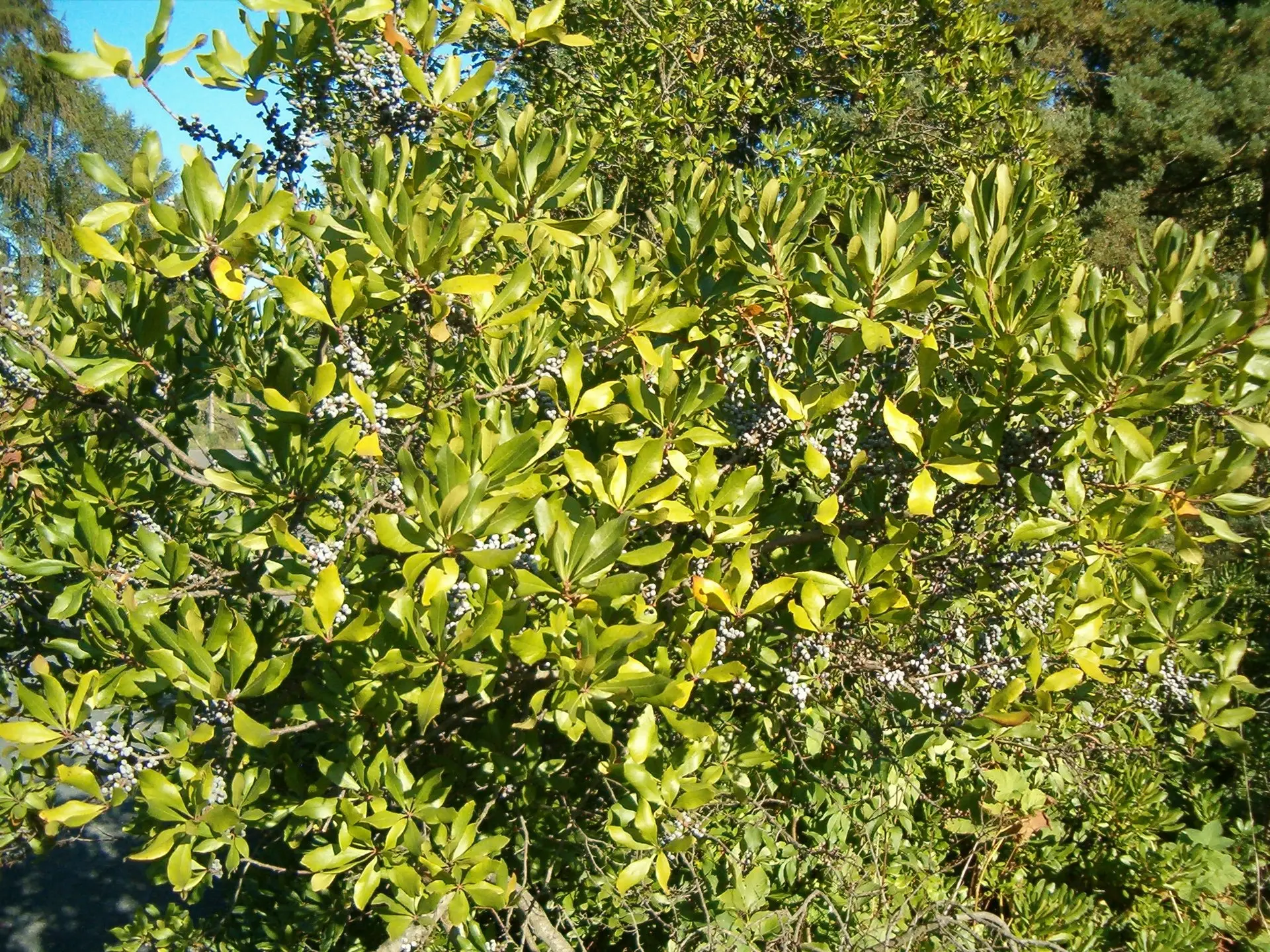
Wax myrtle shrub with dense aromatic olive-green foliage

Wax myrtle

Myrica cerifera

Run your hand through wax myrtle and the air fills with a spicy, bayberry scent. Floridians used it as an insect-repelling plant long before bug spray existed. As a fast-growing evergreen screen, it puts a wall of aromatic foliage between problem edges and the rest of your yard, and its waxy berries feed warblers all winter.

One honest placement note: keep any dense shrub, this one included, trimmed back from your roofline and walls. Branches touching the house are a roof rat's favorite highway. Wax myrtle belongs out in the yard as a screen or hedge, not pressed against the eaves.

ScentSpicy bayberry foliage
ConditionsSun to part shade, adaptable
Size10 to 15 feet, takes pruning well
Where it grows wildAll of Florida, Panhandle to the Keys

Photo: Wikimedia Commons, User:BotBln, CC BY-SA 3.0.
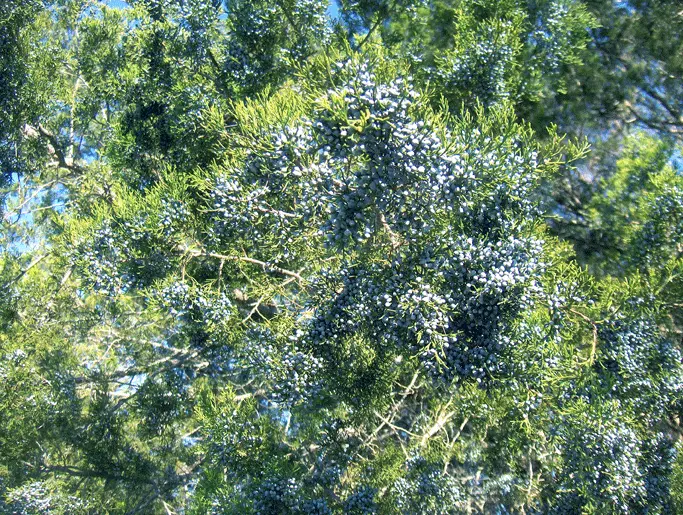
Southern red cedar tree with scale-like aromatic evergreen foliage

Southern red cedar

Juniperus virginiana var. silicicola

There is a reason cedar closets and cedar chests exist: rodents and insects avoid the oil in this wood. Southern red cedar is Florida's own juniper, salt tolerant and hurricane sturdy, carrying that same aromatic oil in every needle and branch.

It also happens to be one of the best wildlife trees you can plant here. Dense evergreen cover for songbirds, berries for mockingbirds and cedar waxwings, and a favorite perch for the hawks and owls we want patrolling the neighborhood.

ScentCedar oil throughout
ConditionsFull sun, salt tolerant
Size25 to 40 feet at maturity
Where it grows wildStatewide, loves coastal Pinellas

Photo: Wikimedia Commons, Homer Edward Price, CC BY 2.0.

A bonus for the broader pest picture: American beautyberry (Callicarpa americana) earns a spot in almost every garden we design. Its crushed leaves contain callicarpenal, a compound studied for repelling mosquitoes, and its magenta fall berries are a songbird buffet. We count it as Florida's original pest-management shrub, even though its specialty is biting insects rather than rodents.

Florida is big. Where do these actually grow?

Florida runs 450 miles from Pensacola to Key West, and "Florida native" does not mean a plant belongs in every corner of it. Wax myrtle, southern red cedar, spotted beebalm, and beautyberry range across the whole state. Florida pennyroyal is the peninsula's own, found almost nowhere else on Earth, and Tampa Bay sits right in the middle of its home range.

Map of Florida showing native plant ranges A simplified map of Florida. The whole state is the range of wax myrtle, southern red cedar, spotted beebalm, and beautyberry. The peninsula, shaded teal, is the home range of Florida pennyroyal. A star marks St. Petersburg and Tampa Bay on the central west coast. St. Petersburg Tampa Bay Panhandle
Whole state: wax myrtle, southern red cedar, spotted beebalm, beautyberry
Peninsula: Florida pennyroyal, found almost nowhere else on Earth
Tampa Bay: all five grow wild in our service area

One we left off on purpose: false rosemary (Conradina) shows up on native lists, and it is a beautiful minty shrub. It does grow in our region, in scrubby prairie and sandhill spots where it can form what is called a rosemary bald. We still do not plant it, because it is endangered and its growing conditions cannot really be recreated in a nursery setting.

In Tampa Bay specifically

Every plant on this page grows wild within a short drive of St. Petersburg, in the sandhills, flatwoods, and coastal edges of Pinellas County. We design with them across St. Petersburg, Gulfport, Largo, Clearwater, Dunedin, and Tampa. If your yard is sandy, salty, or both, these plants were built for it.
The honest part: plants are one layer, not a force field

We will not tell you a pot of pennyroyal solves a roof rat problem, because it does not. Roof rats are climbers that follow food and cover. The yards that stay rat-resistant get the fundamentals right, and the scented plants add a layer on top.

  • Pick up fallen fruit promptly and secure trash, pet food, and bird seed.
  • Trim tree limbs at least four feet from the roofline. Branches touching the house are the number one roof rat entry route.
  • Keep vines off walls and clear clutter where rats can nest.
  • Here is the part the herb lists never mention: a native landscape recruits the night shift. Owls, hawks, and native rat snakes are the most effective rodent control Florida has, and they only patrol yards that feed and shelter them. That is the real native advantage. We do not just plant smells rats dislike. We design habitat for the things that eat them.

Questions homeowners ask about rats and native plants

No plant works as a barrier on its own. Strong-scented plants like Florida pennyroyal, spotted beebalm, and southern red cedar make an area less inviting as one layer of a managed yard. Removing food sources, trimming branches away from the roof, and sealing entry points do the heavy lifting.

Roof rats tend to avoid intense volatile oils: pennyroyal and other mint-family scents, thymol, and cedar oil. Florida natives that carry these naturally include Florida pennyroyal, spotted beebalm, wax myrtle, and southern red cedar.

No. Rosemary, thyme, oregano, and sage are Mediterranean. Mint and basil trace to Asia, and lemongrass is from South Asia. They can grow here, but they do not feed Florida wildlife the way plants that evolved here do.

Food and highways. Fallen fruit, bird seed, pet food, and unsecured trash feed them. Branches and vines touching the roofline give them a path inside. Trim limbs at least four feet from the roof and pick up fruit promptly.

A designed native landscape usually has fewer rodent problems than a neglected yard, because it removes clutter and harborage while supporting owls, hawks, and native rat snakes. Those predators are the most effective rodent control Florida has.

Kiamesha Wray of Living Spaces Gardening

Written by Kiamesha Wray

Kiamesha Wray is a Florida Master Naturalist and one of the first FANN credentialed professionals in Florida. She founded Living Spaces Gardening in 2018 and designs native landscapes across Tampa Bay. Featured in Homes & Gardens, November 2025.

Start here

Want a yard that works with Florida instead of against it?

We design native landscapes built for this climate and this wildlife. Kiamesha responds personally. Consultations start at $125 and that goes toward your design.

Get in touch →